Editor's Choice
Dive into expert insights that help you grow and optimize your business.
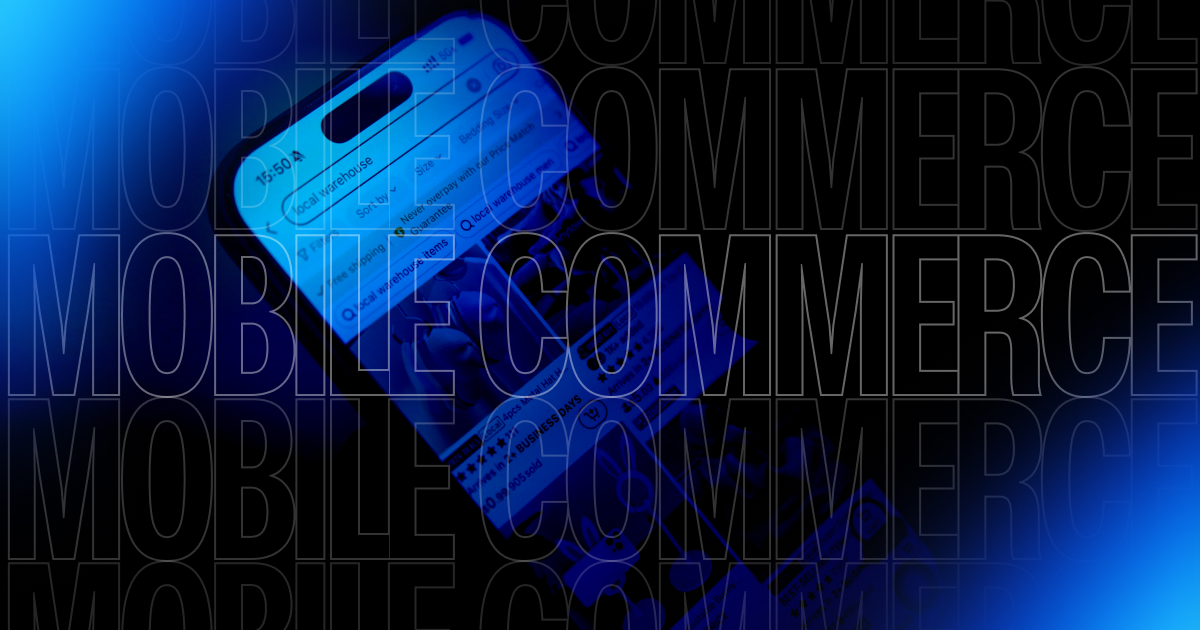
The way people shop online has changed dramatically over the last few years. Customers are no longer sitting on desktops comparing products slowly across multiple tabs. In 2026, shopping behavior is faster, mobile-first, and heavily driven by convenience. Users discover products through social media, influencers, reels, ads, and recommendations — and they expect the buying experience to feel just as seamless as the content they consume daily. This shift is one of the biggest reasons mobile commerce is growing so aggressively. And Shopify brands are starting to adapt quickly.
Most Shopify stores are technically mobile-friendly. But being mobile-friendly is no longer enough. Modern customers expect:
Traditional mobile websites often struggle to deliver this consistently. Users still deal with browser tabs, slow reloads, login friction, abandoned carts, and distractions from notifications or competing apps. Even small delays or interruptions can reduce conversions significantly. The biggest problem is that websites lose connection with the customer the moment they leave. And in modern eCommerce, attention disappears extremely fast.
Mobile apps solve many of the retention and engagement problems that websites face daily. Unlike websites, apps create a direct and persistent connection between brands and customers. The store remains visible on the customer’s phone, making repeat engagement much easier over time. This changes customer behavior in a major way. Instead of rediscovering the brand repeatedly through ads or search engines, users can open the app instantly and continue shopping with fewer steps. That convenience directly impacts:
This is why more Shopify brands are now treating mobile apps as long-term growth systems instead of optional add-ons.
One of the biggest reasons mobile commerce is evolving rapidly in 2026 is AI-powered engagement. Modern eCommerce apps are no longer static shopping platforms. AI is now helping brands automate personalization and customer retention in ways that were previously difficult to manage manually. For example, AI-powered systems can:
This allows brands to create smarter customer journeys without increasing operational workload. Instead of sending the same campaigns to every user, stores can engage customers based on actual shopping behavior and intent. That level of personalization is becoming one of the strongest competitive advantages in eCommerce today.
Traditional marketing often depends on customers returning voluntarily. Push notifications change that completely. Instead of waiting for users to revisit the store, brands can actively re-engage customers through personalized notifications directly on their device. This becomes especially powerful when combined with AI. AI-powered push notification systems can automatically decide:
This creates a much more intelligent retention system compared to generic promotional campaigns. For Shopify brands trying to reduce customer drop-offs and improve repeat purchases, this is becoming extremely valuable.
Customer expectations are now heavily influenced by the apps they use daily. Platforms like Instagram, TikTok, Amazon, and Spotify have trained users to expect:
eCommerce brands are now being judged against those same experiences. This is why mobile-first optimization is no longer just a design decision. It’s becoming a core business strategy. Features like:
are becoming increasingly important for Shopify stores that want to compete effectively in 2026.
As advertising costs continue increasing, many brands are realizing that constantly chasing new traffic is becoming expensive and unsustainable long term. Retention is becoming the smarter growth strategy. Keeping existing customers engaged often creates more predictable and profitable growth compared to relying entirely on paid acquisition. This is one of the biggest reasons brands are investing more heavily into:
The goal is no longer just generating traffic. The goal is creating an ecosystem customers continuously return to.
Mobile commerce is no longer the future of eCommerce. In 2026, it is quickly becoming the standard. Shopify brands are moving beyond traditional web-only experiences and investing more heavily in mobile apps, AI-powered engagement, and customer retention systems that create stronger long-term growth. Because modern eCommerce is no longer only about making sales. It’s about creating faster, smarter, and more connected shopping experiences customers actually want to come back to.
Dive into expert insights that help you grow and optimize your business.